
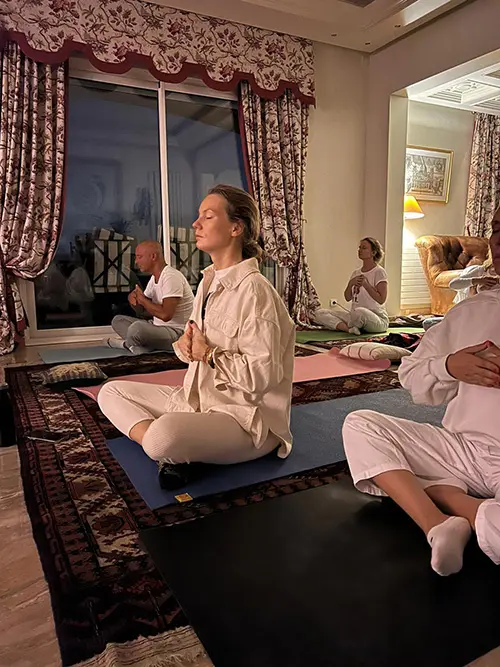


Exploring Transcendental Meditation: A Journey to Inner Peace and Clarity
Transcendental Meditation (TM) is more than just a meditation technique—it’s a lifestyle practice that promises to enhance mental clarity, reduce stress, and unlock a deeper state of consciousness. In today’s fast-paced world, where stress and anxiety seem to dominate our daily lives, TM offers a gateway to inner peace and self-discovery. In this blog post, we’ll explore the origins of Transcendental Meditation, how it works, its reported benefits, and practical tips on how to begin your journey.
What is Transcendental Meditation?
Transcendental Meditation is a simple, natural technique that allows the mind to settle into a state of restful alertness. Unlike some forms of meditation that require intense concentration or specific postures, TM is practiced for about 20 minutes twice a day while sitting comfortably. By silently repeating a specific mantra—a word or sound chosen for its soothing qualities—the practitioner is able to bypass the busy, thinking mind and experience a profound state of relaxation and mental clarity.
The Origins and History of TM
Transcendental Meditation was introduced to the world by Maharishi Mahesh Yogi in the mid-20th century. Drawing from ancient Vedic traditions, Maharishi developed TM as a secular and accessible practice, aiming to provide a practical tool for stress reduction and self-improvement. Over the decades, TM has gained global recognition, attracting millions of practitioners, including many public figures and celebrities who have praised its calming influence on their lives.
The spread of TM coincided with a growing interest in Eastern philosophies and alternative approaches to mental health during the 1960s and 1970s. Its popularity surged as more people began seeking holistic ways to cope with the pressures of modern society. Today, Transcendental Meditation is taught in many countries, and its techniques are supported by a network of certified instructors who maintain the authenticity of the practice.
How Does Transcendental Meditation Work?
The practice of TM is straightforward, making it accessible to people from all walks of life:
- Choosing a Mantra: Each practitioner is given a personal mantra—a sound or word that has no particular meaning but is considered to have a soothing effect. This mantra is intended to help the mind transcend normal thought processes.
- Daily Practice: Typically, TM is practiced for 20 minutes in the morning and another 20 minutes in the evening. During this time, you sit comfortably with your eyes closed and silently repeat your mantra.
- Effortless Technique: Unlike some meditation practices that require concentration or contemplation, TM is effortless. The repetition of the mantra helps the mind naturally settle into a state of deep rest, where thoughts become quieter and less intrusive.
This method allows the mind to go beyond surface-level thoughts, facilitating a state of deep inner calm. Practitioners often describe this experience as feeling as if they are “transcending” their ordinary level of consciousness, reaching a state where stress and anxiety diminish significantly.
The Benefits of Practicing Transcendental Meditation
The potential benefits of TM have been widely discussed by both practitioners and researchers. Here are some of the most commonly reported advantages:
- Stress Reduction: Regular practice of TM has been shown to reduce stress levels by lowering cortisol (the stress hormone) and promoting a state of deep relaxation.
- Improved Mental Clarity: Many practitioners report an increase in focus, creativity, and overall mental clarity after incorporating TM into their daily routine.
- Enhanced Emotional Well-Being: TM can foster a greater sense of calm, inner peace, and resilience in the face of life’s challenges.
- Better Sleep: The relaxation and stress relief provided by TM can lead to improved sleep patterns and a more restorative night’s rest.
- Lower Blood Pressure: Some studies suggest that TM may contribute to cardiovascular health by reducing blood pressure and improving heart rate variability.
These benefits are not only anecdotal; a growing body of scientific research supports many of these claims, indicating that Transcendental Meditation can have a measurable impact on physical and mental health.
Scientific Perspectives and Research
The scientific community has taken a keen interest in the effects of Transcendental Meditation. Researchers have investigated its impact on stress, cardiovascular health, and overall well-being. Many studies have found that TM can lead to reduced stress markers and improved mental health outcomes.
For example, controlled trials have noted significant reductions in blood pressure and improvements in cardiovascular function among individuals practicing TM regularly. Additionally, neuroimaging studies suggest that TM may promote beneficial changes in brain activity, particularly in regions associated with relaxation and creativity. While further research is ongoing, the current evidence provides promising support for TM as a complementary practice for managing modern-day stress.
How to Get Started with Transcendental Meditation
If you’re interested in exploring Transcendental Meditation for yourself, here are some steps to help you begin:
- Find a Certified Instructor: TM is traditionally taught by certified instructors who provide personalized guidance and ensure that you are using the correct technique. Look for local TM centers or authorized websites for more information.
- Attend an Introductory Session: Many TM centers offer free introductory sessions where you can learn about the practice, its benefits, and what to expect from the training process.
- Commit to a Regular Practice: Like any skill, the benefits of TM are best realized through regular practice. Aim for two 20-minute sessions each day to fully experience its restorative effects.
- Be Patient and Open-Minded: The process of meditation is deeply personal. It may take time to fully appreciate the transformative benefits of TM, so approach the practice with patience and curiosity.
- Integrate TM into Your Lifestyle: Beyond the formal meditation sessions, try to cultivate a lifestyle that supports your mental and physical well-being. This might include healthy eating, regular physical activity, and mindfulness in everyday activities.
Personal Stories and Reflections
One of the most compelling aspects of Transcendental Meditation is the personal transformation many practitioners experience. Stories abound of individuals who, after incorporating TM into their daily lives, have found a new sense of balance and clarity. Whether it’s managing stress during a hectic workday or finding solace during challenging life events, TM has helped many to reconnect with themselves in meaningful ways.
These personal testimonials often highlight how TM isn’t just about relaxation—it’s about a fundamental shift in perspective. The practice encourages you to view life with greater calm and clarity, helping you navigate challenges with a centered mind.
Criticisms and Misunderstandings
As with any popular practice, Transcendental Meditation is not without its critics. Some argue that the cost of learning TM through certified programs can be prohibitive, while others question some of the claims made about its benefits. However, many of these criticisms are counterbalanced by a large community of practitioners and a substantial body of scientific research that supports its efficacy.
It’s important to approach TM with an open yet critical mind. While the practice has helped millions, it may not be the perfect solution for everyone. As with any form of meditation or mental health practice, individual experiences can vary, and it’s essential to consider TM as one of many tools available for managing stress and enhancing well-being.
Conclusion
Transcendental Meditation offers a compelling blend of ancient wisdom and modern science. Its simplicity, combined with the profound potential to alleviate stress and promote inner peace, makes it an attractive practice for anyone seeking balance in a chaotic world. Whether you’re a long-time meditation enthusiast or a curious newcomer, TM invites you to explore a pathway toward a calmer, more centered life.
By understanding the fundamentals of TM and taking the time to incorporate its practice into your daily routine, you may discover not only a reduction in stress but also a renewed sense of clarity, creativity, and well-being. Ultimately, the journey of Transcendental Meditation is as much about self-exploration as it is about finding moments of profound peace in the midst of everyday life.
Embrace the journey, explore the possibilities, and take the first step towards a more mindful, balanced existence.